
From the majestic marble domes of the Taj Mahal and the royal fortresses of Rajasthan to the serene backwaters of Kerala and the ancient spiritual ghats of Varanasi, India is a sensory tapestry unlike anywhere else on Earth.
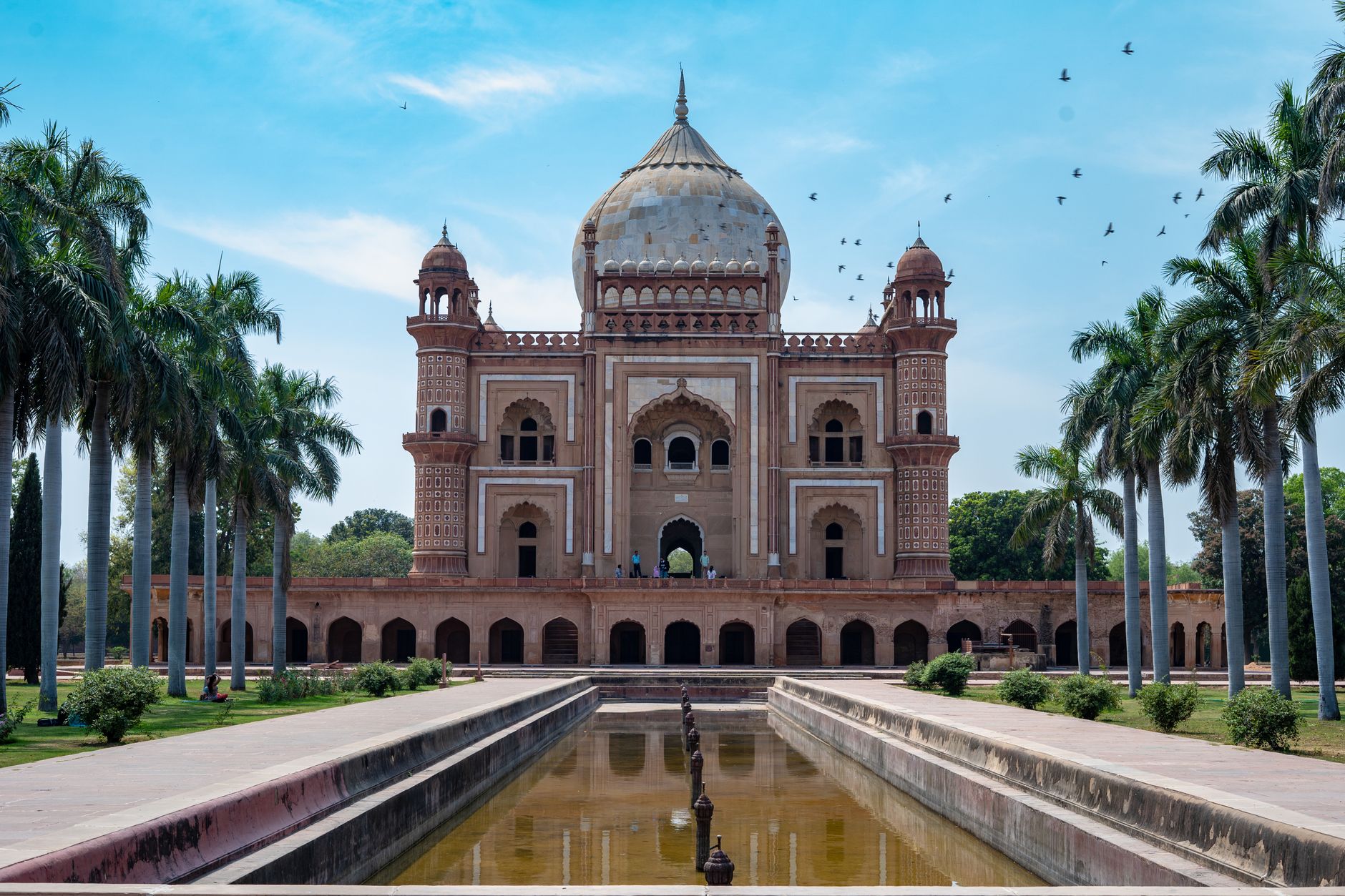
A three-week journey allows you to experience the perfect contrast between northern regal history and southern tropical tranquility without feeling overwhelmingly rushed.
🗓️ Best Time to Visit India
India’s vast geography means weather conditions vary significantly by region, but the winter months offer the best conditions nationwide:
| Season | Months | Weather & Region Highlights |
|---|---|---|
| Peak Season (Best Overall) | October – March | Ideal Nationwide: Mild, sunny days and cool evenings across Rajasthan, Delhi, Varanasi, and Kerala. Perfect for sightseeing and backwater cruises. |
| Shoulder Season | April – May | Hot Weather / Wildlife: High temperatures (35°C–42°C+ / 95°F–108°F+), but great for tiger safaris in national parks as wildlife gathers around waterholes. |
| Monsoon Season | June – September | Heavy Rain / Lush Landscapes: Rains sweep across South and Central India. Kerala turns lush green, and luxury heritage resorts offer steep off-peak discounts. |
Export to Sheets
📑 How to Apply for an Indian Visa
Most foreign travelers require a valid passport (with at least 6 months validity from arrival and 2 blank pages) and an Indian visa before travel.
Applying for an e-Tourist Visa (e-TV)
- Official Government Portal: Apply exclusively through the official government portal India Visa Online. Avoid third-party agent websites that charge high service fees.
- Select Visa Duration: Options include 30-day (double-entry), 1-year (multiple-entry), or 5-year (multiple-entry) e-Tourist visas.
- Required Documents:
- Scanned copy of your passport’s bio page (PDF format).
- Digital passport photograph with a clean white background (JPEG format).
- Details of your arrival airport and initial accommodation address.
- Processing Time & Fees: Apply between 4 to 120 days before your departure date. E-visas are typically approved within 48–72 hours. Fees range from $10 to $80 USD depending on your nationality and the season.
✈️ Getting to India from North America & Europe
Major Gateway Airports
- Indira Gandhi International Airport, New Delhi (DEL) – Primary gateway for Golden Triangle and Rajasthan itineraries.
- Chhatrapati Shivaji Maharaj International Airport, Mumbai (BOM) – Primary entry point for West and South India trips.
Flight Routes
- From North America: Direct, non-stop flights operate from major hubs including New York (JFK/EWR), Chicago (ORD), San Francisco (SFO), and Toronto (YYZ) via Air India and United Airlines. Connecting flights through European or Middle Eastern hubs (Emirates, Qatar Airways, Etihad, Turkish Airlines) are widely available.
- From Europe: Direct non-stop flights connect London (LHR), Paris (CDG), Frankfurt (FRA), and Amsterdam (AMS) to Delhi and Mumbai via British Airways, Virgin Atlantic, Air India, Lufthansa, and KLM (flying time ~8–9 hours).
🚗 How to Travel Within India
- Domestic Flights: For long distances (e.g., Delhi to Varanasi or Rajasthan to Kerala), low-cost carriers like IndiGo, Air India Express, and Akasa Air offer affordable and frequent point-to-point flights.
- Private Chauffeured Car: For road trips across Rajasthan (Delhi ➔ Agra ➔ Jaipur ➔ Jodhpur ➔ Udaipur), hiring a private car with a dedicated driver is surprisingly affordable, comfortable, and provides door-to-door flexibility.
- Express Trains: The Indian Railways network connects every corner of the country. Book top-tier classes (1AC, 2AC, or high-speed Vande Bharat Express chair cars) well in advance via authorized agencies or your hotel concierge.
- Rideshare Apps & Taxis: Use Uber or Ola in major cities (Delhi, Mumbai, Kochi, Jaipur) for transparent pricing and hassle-free rides.
🗺️ 3-Week Ultimate India Itinerary & Destinations
Week 1: The Golden Triangle & Spiritual Heart (Delhi ➔ Agra ➔ Jaipur ➔ Varanasi)
Week 2: Regal Rajasthan (Jodhpur ➔ Udaipur)
Week 3: Coastal Tropics & Backwaters (Kochi ➔ Munnar ➔ Alleppey ➔ Marari Beach)
Week 1: Golden Triangle & The Ganges River
1. New Delhi (Days 1–3) – Historic Capital & Street Markets
- What to Do: Explore the grand Mughal architecture of Humayun’s Tomb and the Red Fort, marvel at the soaring Qutub Minar, walk through Lodhi Gardens, and take a rickshaw ride through the narrow lanes of Old Delhi’s Chandni Chowk.
- Where to Stay:
- Luxury: The Imperial New Delhi or The Oberoi New Delhi.
- Boutique / Mid-range: Haveli Hauz Khas or The Claridges.
- Where to Eat:
- Karim’s (Old Delhi): Famous for legendary Mughlai kebabs and mutton korma since 1913.
- Indian Accent (Lodhi Hotel): Modern Indian fine dining routinely ranked among Asia’s best restaurants.
- Bukhara (ITC Maurya): World-renowned for tandoori delicacies and slow-cooked Dal Bukhara.
2. Agra (Day 4) – Monument of Eternal Love
- What to Do: Experience sunrise at the Taj Mahal for optimal light and fewer crowds, explore the massive red sandstone walls of Agra Fort, and view the Taj Mahal from across the Yamuna River at Mehtab Bagh.
- Where to Stay:
- Luxury: The Oberoi Amarvilas (every room has an unobstructed view of the Taj Mahal).
- Mid-range: Tajview – IHCL SeleQtions or Trident Agra.
- Where to Eat:
- Peshawri (ITC Mughal): North-West frontier cuisine served in a rustic dining hall.
- Pinch of Spice: Popular local haunt serving butter chicken, paneer tikka, and garlic naan.
3. Jaipur (Days 5–6) – The Pink City
- What to Do: Ascend to the hilltop Amber Fort, photograph the intricate honeycomb facade of Hawa Mahal (Palace of Winds), tour the royal residence at City Palace, and catch the sunset over the city from Nahargarh Fort.
- Where to Stay:
- Heritage Luxury: Rambagh Palace or Taj Jai Mahal Palace.
- Boutique / Mid-range: Samode Haveli or Shahpura House.
- Where to Eat:
- Lassiwala (MI Road): Serving thick, fresh sweet lassi in traditional clay pots (kulhad) since 1944.
- 1135 AD (Inside Amber Fort): Royal Rajasthani dining beneath gold-leaf ceilings and chandeliers.
- Caffé Palladio: Pastel-hued courtyard café blending Italian light bites with Rajasthani aesthetics.
4. Varanasi (Days 7–8) – Spiritual Capital of India
- What to Do: Take a sunrise boat cruise on the River Ganges to witness pilgrims performing morning rituals along the ghats, walk through the ancient labyrinthine alleys, and attend the mesmerizing Evening Ganga Aarti ceremony at Dashashwamedh Ghat.
- Where to Stay:
- Heritage Luxury: BrijRama Palace (perched directly on the riverbanks).
- Mid-range: Taj Ganges Varanasi or Ganges View.
- Where to Eat:
- Kashi Chat Bhandar: Famous for iconic local street food like Tamatar Chaat and Aloo Tikki.
- Dolphin Restaurant: Rooftop dining overlooking the Ganges.
Week 2: Regal Fortresses & Blue Cities of Rajasthan
5. Jodhpur (Days 9–11) – The Blue City
- What to Do: Explore the towering Mehrangarh Fort, wander through the cobalt-blue painted streets of the old quarter, visit the marble cenotaph of Jaswant Thada, and browse the bustling Clock Tower Market.
- Where to Stay:
- Luxury: Umaid Bhawan Palace or RAAS Jodhpur.
- Mid-range: Ajit Bhawan or Pal Haveli.
- Where to Eat:
- RAAS Darikhana: Al-fresco dining with illuminated views of Mehrangarh Fort towering above.
- Shahi Samosa: Local institution for spicy potato samosas and kachoris.
6. Udaipur (Days 12–14) – The City of Lakes
- What to Do: Take a boat cruise on Lake Pichola, explore the grand complex of Udaipur City Palace, visit the island palace of Jagmandir, and enjoy a cultural folk performance at Bagore Ki Haveli.
- Where to Stay:
- Luxury: Taj Lake Palace (set on a floating island) or The Oberoi Udaivilas.
- Boutique / Mid-range: Jagat Niwas Palace or Amet Haveli.
- Where to Eat:
- Ambrai (Amet Haveli): Lakeside restaurant offering panoramic views of the illuminated City Palace and Lake Palace.
- Millets of Mewar: Health-conscious spot specializing in organic, traditional grain-based Rajasthani dishes.
Week 3: Coastal Tropics & Serene Backwaters of Kerala
7. Fort Kochi (Days 15–16) – Colonial Port City
- What to Do: Watch fishermen operate the famous Chinese Fishing Nets, wander through colonial heritage streets, tour the Mattancherry Dutch Palace, and watch a traditional Kathakali dance performance.
- Where to Stay:
- Heritage Luxury: Brunton Boatyard or Fragrant Nature Fort Kochi.
- Mid-range: Eighth Bastion or CGH Earth – Old Harbour Hotel.
- Where to Eat:
- Oceanos Restaurant: Cozy seafood joint serving authentic Keralan coconut fish curry and appams.
- Kochi Rice Company: Fine-dining spot for regional South Indian delicacies.
8. Munnar (Days 17–18) – Emerald Tea Plantations
- What to Do: Hike through rolling emerald green tea estates, visit the KDHP Tea Museum, take a boat ride on Mattupetty Dam, and look out for endangered Nilgiri Tahr in Eravikulam National Park.
- Where to Stay:
- Luxury / Boutique: Windermere Estate or Spice Tree Munnar.
- Mid-range: Chandys Windy Woods or Blanket Hotel.
- Where to Eat: Dine on banana-leaf thalis and fresh cardamom tea at local estate restaurants.
9. Alleppey & Marari Beach (Days 19–21) – Houseboats & Beach Relaxation
- What to Do: Embark on an overnight luxury houseboat cruise along the calm backwater canals of Alleppey (Kettuvallam), sample fresh toddy and Keralan fish fry, and end your holiday relaxing on the palm-fringed sands of Marari Beach.
- Where to Stay:
- Luxury Houseboat: Oberoi Vrinda Motor Vessel or Xandari Riverscapes.
- Beach Resort: Marari Beach Resort (CGH Earth) or Carnoustie Ayurveda & Wellness Resort.
- Where to Eat: Enjoy freshly prepared home-style Keralan meals (Karimeen Pollichathu / pearl spot fish cooked in banana leaf) served directly onboard your private houseboat.
💡 Essential Tourist Information & Practical Tips
💰 Currency & Payments
- The official currency is the Indian Rupee (INR).
- Credit cards (Visa and Mastercard) are widely accepted at hotels, high-end restaurants, and major shops.
- Cash is essential for small vendors, auto-rickshaws, street food stalls, and tipping. Withdraw cash from major bank ATMs (such as HDFC, ICICI, or SBI) upon arrival at the airport.
📱 SIM Cards & Data
- Pick up a local pre-paid SIM card at the airport (counter options include Airtel or Jio).
- Alternatively, install an e-SIM prior to arrival for instant cellular data access across the country.
💧 Health & Water Safety
- Never drink tap water. Stick strictly to sealed bottled water or purified/filtered water provided by reputable hotels.
- Avoid raw salads or unpeeled fruits washed in tap water.
- Eat street food from stalls that have long lines of locals and serve hot, freshly cooked items.
👗 Cultural Etiquette & Dress Code
- India is generally conservative. Cover your shoulders and knees when visiting religious sites (temples, mosques, and gurudwaras).
- Always remove your shoes before entering religious places or private homes.
- Carry a light scarf to cover your head when entering Sikh Gurudwaras or certain mosques.
🚕 Tipping & Scams
- Tipping: A tip of 10% is standard at restaurants if a service charge isn’t already included. Tipping drivers (~$5–$10 USD/day) and hotel bellstaff is customary and appreciated.
- Common Scams: Agree on auto-rickshaw fares before getting in if they refuse to use the meter. Be cautious if a taxi driver claims your hotel is “closed” or “burned down” to take you to a commission-paying travel agency—insist on going to your destination.