
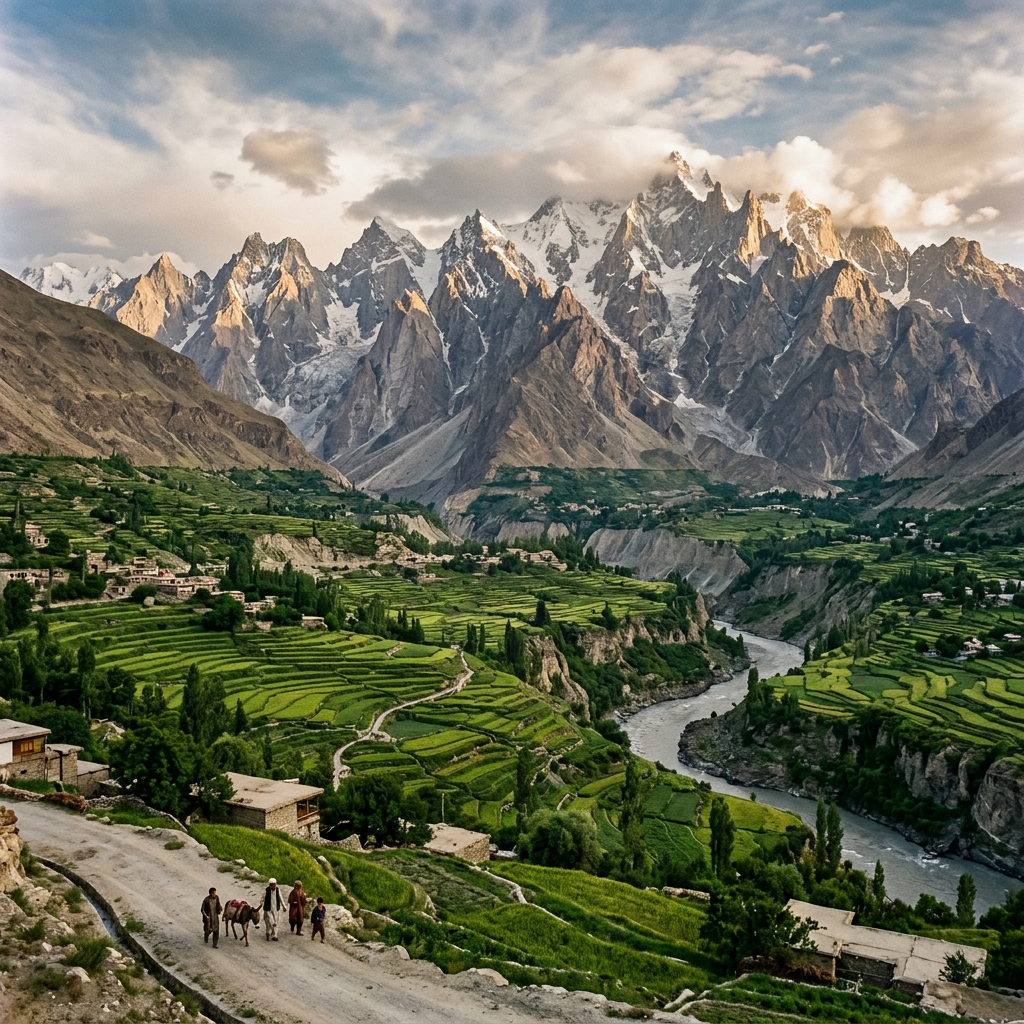
From the snow-capped giants of the Karakoram range and glacial lakes to ancient Mughal fortresses and bustling street food havens, Pakistan is one of the most breathtaking yet underrated destinations on Earth. Whether you are seeking high-altitude mountain adventures or rich cultural heritage, a three-week trip allows you to experience the country’s finest highlights without feeling rushed.
🗓️ Best Time to Visit Pakistan
The ideal time to visit depends on the regions you plan to explore:
| Season | Months | Highlights & Ideal Destinations |
| Spring | April – May | Best for Mountain Blossoms: Apricot and cherry blossoms bloom across Hunza and Skardu. Pleasant weather in cities like Islamabad and Lahore. |
| Autumn | Sept – Nov | Best Overall: Golden fall foliage in Gilgit-Baltistan, crisp air, clear skies, and comfortable sightseeing temperatures nationwide. |
| Summer | June – August | High-Altitude Trekking: Passes like Deosai and Fairy Meadows are snow-free. Note: Cities like Lahore and South Pakistan are hot and humid. |
| Winter | Dec – Feb | Cultural & Heritage Trips: Ideal for Lahore, Islamabad, Multan, and Karachi. High mountain passes are snowbound. |
📑 How to Apply for a Pakistan Visa
Pakistan has simplified its visa process through an efficient online portal.
- Official Portal: Apply exclusively through the official Pakistan Online Visa System (NADRA).
- Visa Category: Select Tourist e-Visa (or check if your country qualifies for Tourist Visa on Arrival / Electronic Travel Authorization).
- Required Documents:
- Scanned copy of your passport (valid for at least 6 months).
- Digital passport-sized photograph with a plain white background.
- Hotel reservation details or an Invitation Letter (LOI) from a recognized tour operator.
- Return flight itinerary.
- Processing Time & Cost: E-visas usually take 7 to 10 working days to process (though many are approved within 48–72 hours). Fees range between $20–$60 USD depending on your nationality.
✈️ Getting to Pakistan from Europe & North America
Major Gateway Airports
- Islamabad International Airport (ISB) – Best starting point for northern mountain trips.
- Allama Iqbal International Airport, Lahore (LHE) – Ideal starting or ending point for cultural tours.
Flight Routes
- From Europe: British Airways offers direct flights from London Heathrow (LHR) to Islamabad (ISB). Connecting flights via Middle Eastern hubs (Qatar Airways via Doha, Turkish Airlines via Istanbul, Emirates via Dubai) provide frequent, comfortable options into Islamabad and Lahore.
- From North America: One-stop flights via Middle Eastern carriers (Qatar Airways, Emirates, Etihad) or Turkish Airlines connect major US/Canadian cities (NYC, ORD, YVR, YYZ, LAX) directly to Islamabad or Lahore.
🚗 How to Travel Within Pakistan
- Domestic Flights: Pakistan International Airlines (PIA) operates scenic flights from Islamabad to Skardu (KDU) and Gilgit (GIL). Tip: Book right-side window seats flying north for stunning views of Nanga Parbat!
- Private 4×4 / Car with Driver: Renting a private SUV with an experienced driver is the safest, most flexible option for traveling along the Karakoram Highway (KKH) and navigating mountain terrain.
- Express Motorways & Luxury Buses: Modern motorways (M-2, M-1) connect Islamabad, Lahore, and Peshawar. Premium intercity bus services like Daewoo Express and Faisal Movers offer reliable, air-conditioned highway travel.
🗺️ 3-Week Detailed Itinerary & Destinations
Week 1: Islamabad ➔ Skardu Valley & Deosai Plateau
Week 2: Hunza Valley ➔ Passu ➔ Fairy Meadows (Nanga Parbat)
Week 3: Swat Valley / Peshawar ➔ Lahore
Week 1: Capital City & The Wonders of Baltistan
1. Islamabad (Days 1–2)
- Where to Stay:Serena Hotel Islamabad (Luxury), Islamabad Marriott, or Mulberry Hotel (Boutique).
- What to Do: Visit the grand Faisal Mosque nestled against the Margalla Hills, explore the Pakistan Monument and Lok Virsa Heritage Museum, and hike along Trail 3 or Trail 5 in Margalla Hills National Park.
- Where to Eat:
- Monal / La Montana: Perched high in the Margalla Hills offering sweeping sunset views of the city.
- Des Pardes (Saidpur Village): Authentic chicken karahi and freshly baked naan in an ancient preserved village setting.
2. Skardu Valley & Deosai National Park (Days 3–7)
- How to Get There: 45-minute scenic domestic flight from Islamabad to Skardu.
- Where to Stay:Serena Shigar Fort (a restored 17th-century palace), Shangrila Resort Skardu, or Khoj Resort Shigar.
- What to Do:
- Explore Kharpocho Fort overlooking the Indus River.
- Hike up to Marsur Rock for views resembling Norway’s Trolltunga.
- Take a 4×4 safari across Deosai National Park (“Land of Giants”), the world’s second-highest plateau at ~4,000 meters.
- Sunset walk across the Sarfaranga (Katpana) Cold Desert sand dunes.
- Where to Eat:
- Serena Shigar Fort Dining Room: High-end local Balti dishes and organic produce.
- Upper Kachura Trout Spots: Enjoy freshly grilled mountain trout at lakeside cafes.
Week 2: Central Karakoram, Hunza Valley & Fairy Meadows
3. Hunza Valley & Gojal (Days 8–11)
- How to Get There: Scenic 5–6 hour drive from Skardu along the Indus River and Karakoram Highway.
- Where to Stay:Ambiance Resort Hunza, Serena Altit Fort Lodge, Luxus Grand Attabad Lake, or Hotel Swans Karimabad.
- What to Do:
- Tour the 700-year-old Baltit Fort and 900-year-old Altit Fort.
- Boat or jet-ski on the turquoise waters of Attabad Lake.
- Walk across the famous Hussaini Suspension Bridge.
- Photograph the jagged spire peaks of the Passu Cones.
- Drive up to Khunjerab Pass (4,693m), the world’s highest paved border crossing.
- Where to Eat:
- Café de Hunza (Karimabad): World-famous for its organic walnut cake and espresso.
- Hunza Food Pavilion by Lal Shehzadi: Local, women-run eatery serving authentic Chapshuro (meat pie) and Daudo soup.
- Kha Basi Café (Altit Fort Gardens): Regional delicacies served in royal gardens by female chefs.
- Yak Grill (Passu): Gourmet burgers made with local free-range yak meat.
4. Fairy Meadows & Nanga Parbat Basecamp (Days 12–14)
- How to Get There: Drive south on the KKH to Raikot Bridge, take an adventurous 2-hour 4×4 mountain jeep ride, followed by a 3–4 hour hike up to Fairy Meadows.
- Where to Stay:Raikot Sarai Huts or wooden alpine cabins with views of Nanga Parbat.
- What to Do:
- Trek from Fairy Meadows to Beyal Camp and onward to Nanga Parbat Basecamp (Killer Mountain, 8,126m).
- Stargaze around evening bonfires under dark mountain skies.
- Where to Eat: Basic rustic meals (dal, rice, eggs, hot soup) served at the wooden mess halls of camp lodges.
Week 3: Heritage Valleys & The Cultural Capital
5. Swat Valley or Peshawar (Days 15–17)
- How to Get There: Drive down the KKH towards Khyber Pakhtunkhwa via the Babusar Pass (summer) or Bisham route.
- Where to Stay:Swat Serena Hotel or Serena Orchard Lodge Kalam.
- What to Do:
- Visit the UNESCO World Heritage Buddhist monastic ruins at Takht-i-Bahi.
- Explore the pine forests and rivers of Kalam Valley and Malam Jabba.
- Where to Eat: Local trout restaurants along the Swat River and street tikka stalls in Mingora.
6. Lahore – The Cultural Capital (Days 18–21)
- How to Get There: 4-hour drive from Islamabad/Swat via the smooth M-2 Motorway.
- Where to Stay:Pearl Continental Lahore, The Nishat Hotel Gulberg, or Luxus Grand Hotel Lahore.
- What to Do:
- Tour the monumental Badshahi Mosque and adjacent Lahore Fort (Walled City).
- Wander through the historic bazaars and visit the intricately tiled Wazir Khan Mosque.
- Experience the flag-lowering ceremony at the Wagah Border (Pakistan-India border).
- Explore Mughal garden architecture at Shalimar Gardens.
- Where to Eat:
- Haveli Restaurant / Fort Road Food Street: Rooftop terrace dining overlooking the illuminated Badshahi Mosque.
- Cooco’s Den: Eclectic museum-restaurant in the old city serving rich karahis.
- Muhammadi Nahari: Famous for slow-cooked beef stew with ginger and green chilies.
- Fiqah’s Lassi: Iconic traditional yogurt drink in the Walled City.
🧳 Practical Tourist Tips & Essential Info
Cultural Etiquette & Dress Code
Pakistan is a conservative society. Both men and women should wear loose-fitting, respectful clothing covering shoulders and knees. Women should carry a light scarf (dupatta) to cover their heads when visiting mosques or religious shrines.
- Cash is King: Credit cards are accepted at major luxury hotels and restaurants in Islamabad and Lahore. However, physical cash (Pakistani Rupee – PKR) is mandatory for mountain regions, entry tickets, and local bazaars. Inform your home bank before travel and withdraw cash at major city ATMs.
- SIM Cards & Connectivity: Purchase a local SIM card upon arrival at Islamabad Airport. Zong offers great nationwide data, while SCOM provides the best 4G coverage across northern regions like Hunza and Skardu.
- Safety & Hospitality: Foreigners are routinely welcomed with warmth and generosity. While normal travel precautions apply, northern tourist corridors (Hunza, Skardu, Islamabad, Lahore) are widely traveled and safe.
- Health & Water: Drink bottled or filtered water. Enjoy freshly cooked hot street foods and carry standard digestive medication just in case.